The Infrastructure Behind Enterprise AI

Artificial intelligence may feel digital, but scaling it depends on physical systems: power generation and transmission, data-center capacity, connectivity, and resilient operations.
Enterprise adoption of artificial intelligence is accelerating demand across a broad infrastructure ecosystem. Organizations moving from experimentation to production need more than advanced models and software. They need reliable access to compute, energy, networks, and specialized operating capabilities.
This demonstration article outlines three infrastructure layers that can influence the pace and resilience of AI deployment. It is fictional content created solely to test a Word-to-WordPress authoring workflow.
Key takeaways
- AI growth links digital demand to physical infrastructure requirements.
- Power availability, data-center design, and network connectivity must scale together.
- Operational discipline and long-term planning can be as important as access to technology.
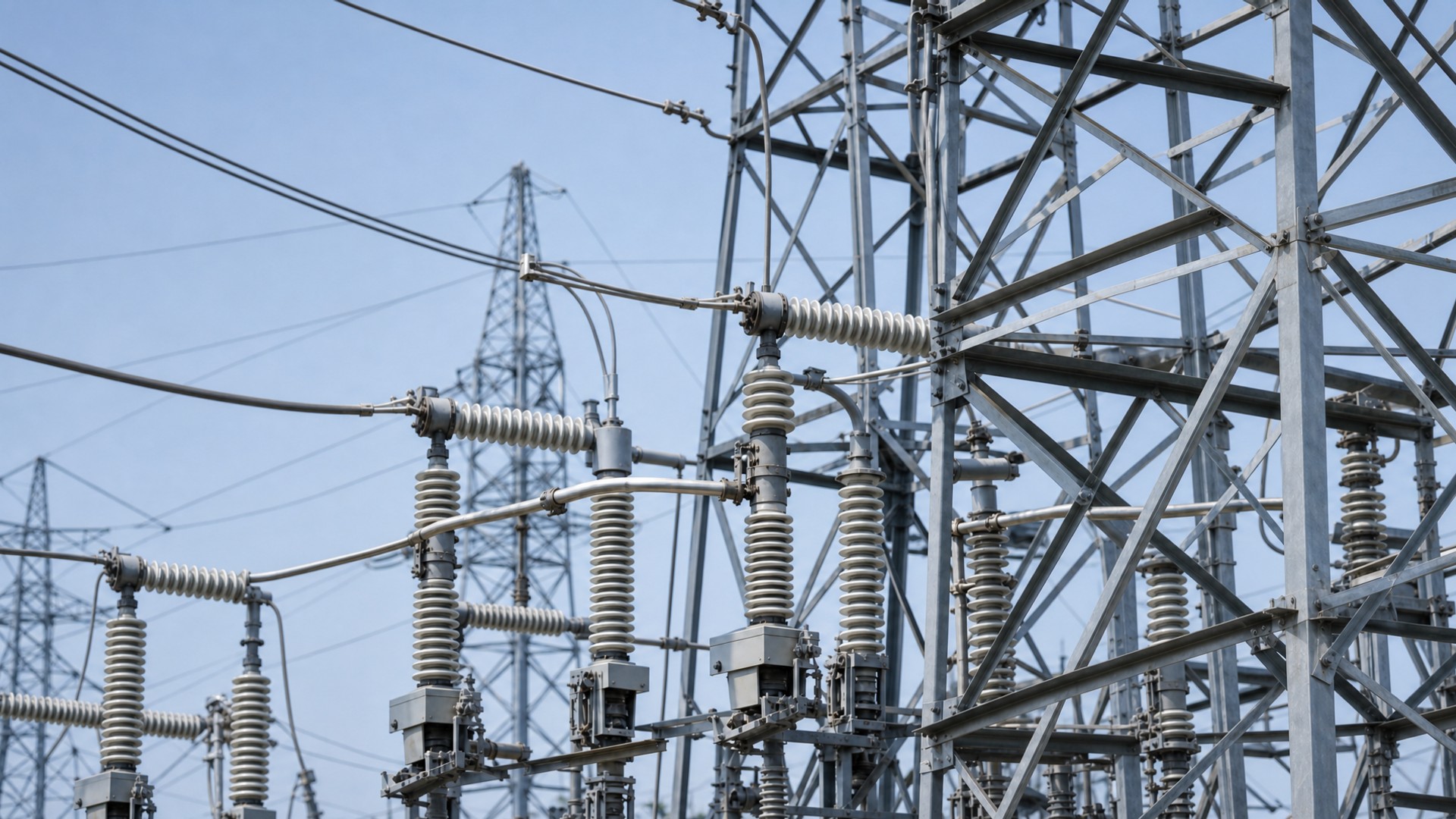
Power and grid readiness
AI workloads can require significant and consistent power. As enterprises and service providers expand compute capacity, they must consider generation, transmission, interconnection timing, backup systems, and energy efficiency as connected planning decisions.
Data-center capacity
Purpose-built data centers bring together compute, cooling, security, and redundancy. Capacity planning must account not only for today’s workloads, but also for changing chip architectures, cooling approaches, and the pace of model development.

Connectivity and operations
High-capacity networks move data between users, cloud platforms, and compute environments. The value of that connectivity depends on reliable operations, monitoring, maintenance, and the ability to respond quickly when demand patterns change.

Pull quote
“The next era of AI will be shaped not only by models, but by the infrastructure and operating capabilities that allow those models to perform at scale.”
Blackstone Insights, fictional demo attribution
What leaders can do now
- Assess dependencies: Map how planned AI workloads depend on power, data-center capacity, network connectivity, and third-party operations.
- Plan as a system: Evaluate compute, energy, cooling, security, and connectivity together rather than as separate purchasing decisions.
- Build for resilience: Define redundancy, monitoring, and recovery requirements before moving critical AI workloads into production.
Closing
The infrastructure behind enterprise AI is a connected system. Organizations that coordinate physical capacity, digital connectivity, and operating discipline may be better positioned to scale adoption responsibly.
Explore more insights: Explore more insights
Disclosure
DEMONSTRATION CONTENT: This page is fictional and is intended only to demonstrate a content-authoring workflow. It does not constitute investment advice, an investment recommendation, an offer to sell, or a solicitation of an offer to purchase any security. All content, quotes, dates, and attributions require editorial and legal review before any external use.